Skip to content
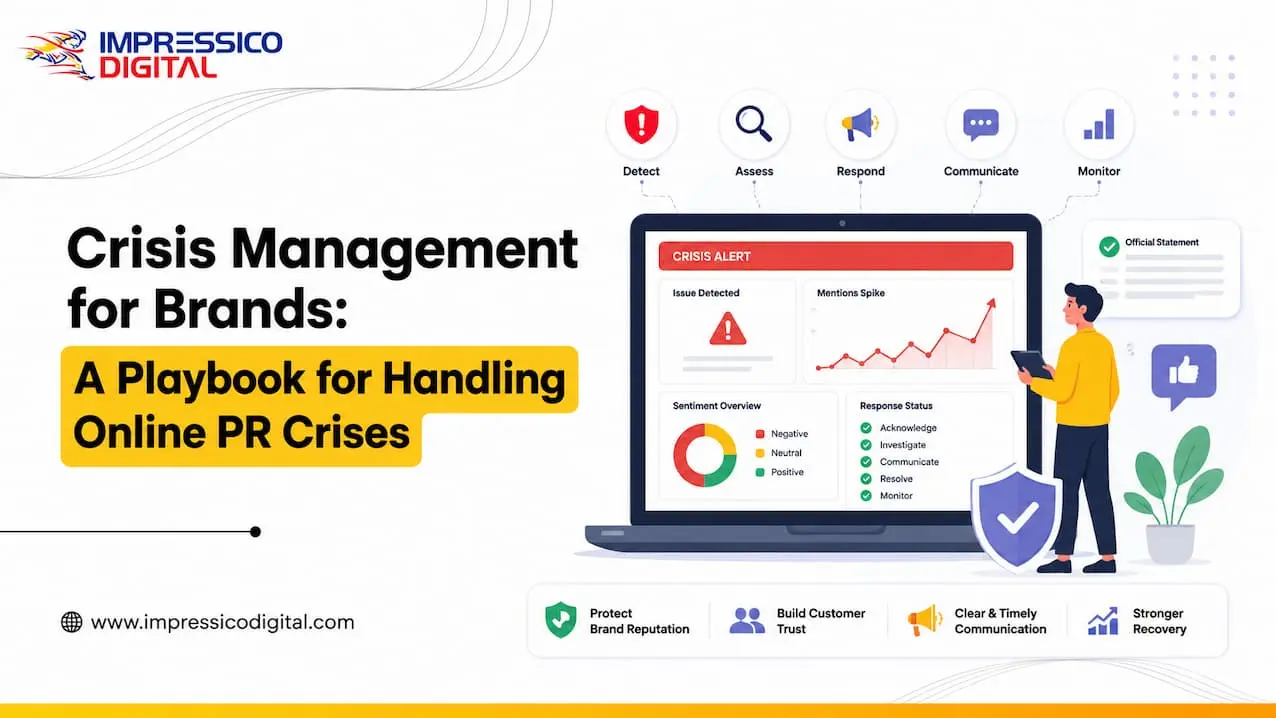
A crisis for any brand doesn’t start from a breaking news article. In most cases, it starts with just one client or a complaint or even a post on social media platforms that unexpectedly receives attention.
It’s normal for companies to make mistakes. Every company will face challenges sooner or later. It all becomes problematic when companies respond inadequately, do not listen to clients’ complaints or fail to communicate appropriately.
In today’s market, companies are judged based on their reactions to certain situations. A delayed response, an evasive answer, or a failure to address a situation transparently can harm the company more than any other problem. For this reason, online PR crisis management is very important for businesses today.
According to PwC research, as many as 32% of people will end their business relationship with a brand they love due to negative experiences.
Companies cannot afford the luxury of preparing for any possible negative reaction anymore. Conversations about companies online occur in real-time, and people’s perceptions change rapidly. This is where the right brand crisis playbook can help.
What Is Online PR Crisis Management?
Online PR crisis management is the process of handling situations that negatively affect a brand’s reputation online.
These situations can include:
- Social media backlash
- Viral customer complaints
- Negative reviews
- Employee controversies
- Data breaches
- Poor customer service experiences
- Misleading marketing campaigns
The internet gives customers a powerful voice. One post can reach thousands of people within hours, especially when businesses fail to respond properly.
Customers also expect fast communication. According to Sprout Social Index Report, nearly three-quarters of consumers expect brands to respond within 24 hours or sooner on social media.
That is why businesses need a clear online PR crisis management strategy before a crisis actually happens.
Why Brands Struggle During Online Crises
Many businesses believe they will handle problems “when the time comes.” Unfortunately, that approach usually creates confusion.
Panic occurs when there is a crisis in progress. The various departments send out different messages. The social media team waits for approvals. While customers are complaining on social media platforms, the brand is still being silent.
Many times, the solution becomes even more damaging than the problem itself.
Nowadays, customers don’t necessarily want perfection from brands. What they want is transparency and communication.
A good brand crisis playbook would ensure consistency for brands.
Most Common Online PR Crises That Brands Face
Social Media Backlash
It does not take long for social media to turn any minor problem into a huge public issue. All it takes is one delayed response or one inappropriate reply.
The worst mistake that brands make in such situations is an emotional or no reaction.
Negative Reviews and Public Complaints
Negative reviews are normal. Every business receives them.
The real problem starts when customers feel ignored. People notice how businesses respond publicly to criticism.
Businesses that respond professionally often build more trust than companies trying to appear perfect.
You can also read our blog on How to Handle Negative Online Reviews (Step-by-Step) for practical response strategies.
Employee or Leadership Controversies
Today, employee behavior can quickly become a brand issue. A leaked email, offensive post, or public controversy involving leadership can attract massive attention online.
This is why businesses need internal communication policies and crisis response guidelines in advance.
Data Breaches and Security Incidents
Security incidents damage customer confidence immediately.
When customer information is compromised, people want quick updates and honest communication.
According to IBM Security, the global average cost of a data breach continues to rise each year.
During these situations, transparency matters just as much as technical recovery.
A Practical Brand Crisis Playbook for Modern Businesses
A good crisis strategy is not about sounding perfect. It is about staying clear, calm, and responsive.
1. Detect Problems Early
Most crises show warning signs before they become public disasters.
Businesses should monitor:
- Brand mentions
- Customer reviews
- Social media discussions
- News mentions
- Online forums
According to Hootsuite, social listening helps brands identify reputation risks earlier.
The earlier a business notices negative sentiment, the easier the situation becomes to manage.
2. Create a Response Team
One of the biggest problems during a crisis is internal confusion.
Businesses should already know:
- Who handles public communication
- Who responds on social media
- Who approves official statements
- Who manages customer complaints
Even smaller companies should have a basic response structure prepared beforehand.
3. Respond Quickly but Carefully
Silence creates frustration online.
Customers want acknowledgement, even if businesses do not yet have every answer.
At the same time, rushed responses can create more problems. The goal is to communicate clearly without sounding robotic or defensive.
People respond better to honest communication than polished corporate statements.
4. Stay Transparent
Customers can usually tell when brands are hiding information.
If a mistake happens, businesses should acknowledge it. If the issue is still being investigated, companies should communicate that openly instead of disappearing.
Transparency helps reduce speculation and public frustration.
5. Monitor Public Reactions
The first response is only the beginning.
Businesses should continue tracking:
- Customer sentiment
- Review activity
- Social engagement
- Media coverage
- Brand mentions
This helps companies understand whether the situation is improving or whether additional communication is needed.
6. Focus on Reputation Recovery
Rebuilding trust takes time.
Customers watch whether businesses actually improve after making public promises. That is why reputation recovery should focus on actions, not only messaging.
This may include:
- Better customer support
- Improved communication
- Stronger review management
- More transparency
- Faster response systems
At Impressico Digital, we help businesses strengthen their digital reputation before small issues become major brand problems.
Mistakes That Make Online Crises Worse
Some brands accidentally increase damage because of poor communication choices.
Ignoring Complaints
Customers become more frustrated when businesses stay silent.
Arguing Publicly
Emotional online arguments almost always create more backlash.
Ignoring Negative Comments
Ignoring criticism without explanation damages credibility.
Using Generic Responses
Customers want real communication, not copy-paste PR language.
Why Prevention Matters More Than Damage Control
The strongest brands usually invest in reputation management before problems happen.
That includes:
- Monitoring online mentions
- Responding to reviews consistently
- Training employees properly
- Improving customer communication
- Creating crisis response plans
Prevention is always easier than repairing damaged trust later.
Final Thoughts
Online reputation changes in a matter of seconds. One bad call can damage the reputation and credibility of your business.
Therefore, all businesses must have a working brand crisis playbook to deal with such situations.
The brands that tend to make their way out are those which communicate honestly, fast, and with transparency.
Customers know that everyone makes mistakes. What they do not forget is how companies react to the mistake.
An effective online PR crisis management process enables brands to retain their customers’ trust and develop a good reputation in the industry.
At Impressico Digital, our reputation management team provides online businesses with smart and efficient reputation management solutions and helps them to prepare for any possible future online crisis.
Want to know more about us? Follow us on social media!